The Role of the Sous Chef in the Restaurant Industry
The sous-chef plays a central role in a restaurant’s success: leadership, team coordination, consistent quality... Discover how this key figure in the kitchen optimizes your operations, especially in the age of online ordering and delivery.
Restaurant management
This is some text inside of a div block.
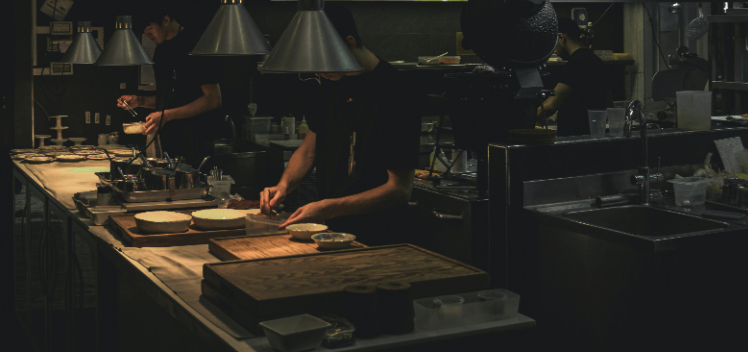
In the fast-paced world of professional kitchens, every establishment operates according to a clearly defined hierarchy. At the top sits the executive chef, an iconic figure who is often in the spotlight. Yet, in the shadow of this culinary star lies a figure who is essential to the smooth operation of any kitchen team: the sous-chef. This second-in-command is truly the unsung pillar that ensures the stability and excellence of top-tier restaurants.
Definition and Key Role of the Sous Chef
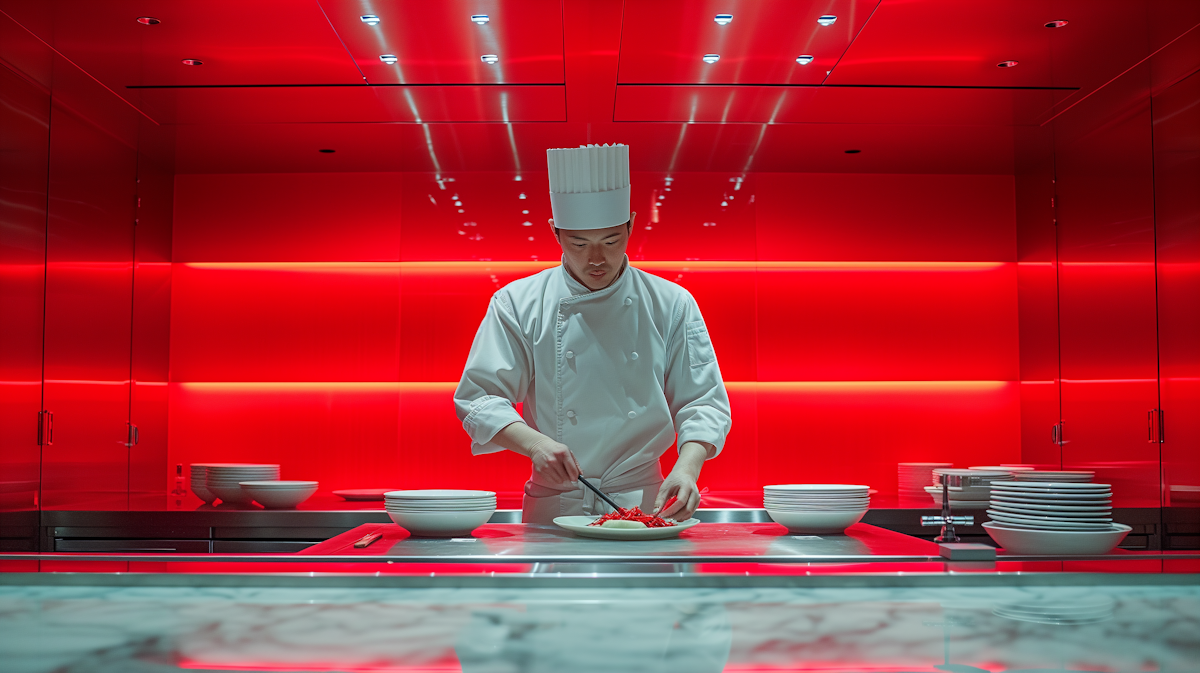
The sous-chef, literally "under the chef," serves as the executive chef's right-hand man. This strategic position makes him the first in command in the kitchen, ready to take charge in the absence of the head chef. But to reduce his role to that of a mere substitute would be a major mistake.
In reality, the sous-chef takes on crucial responsibilities every day:
Direct supervision of the kitchen staff
Coordination among the various stations (meat, fish, vegetables, etc.)
Quality control of food preparation and plating
Maintaining the establishment's culinary standards and identity
He is often the one who translates the chef's vision into practical reality, bridging the gap between culinary creativity and practical execution.
The essential skills of an excellent sous-chef
Leadership and Team Management
Above all, a successful sous chef must be an excellent manager. The ability to motivate a team—sometimes under intense pressure—is an essential quality. He or she must be able to delegate effectively while maintaining an overview of operations.
In a kitchen environment where tensions can quickly rise, the sous-chef often acts as a mediator. Their ability to keep everyone calm and focused can make the difference between a chaotic service and a smooth operation.
Technical expertise and culinary creativity
In addition to managerial skills, a sous-chef must possess impeccable technical expertise. Their knowledge of ingredients, cooking techniques, and seasoning must be exemplary in order to train and correct the kitchen staff.
In addition, culinary creativity is a major asset. A good sous-chef often contributes to menu development and can suggest innovations that enhance the restaurant’s offerings. This creative aspect also helps them stand out and advance toward a position as executive chef.
Communication and pressure resistance
Communication is probably the most underrated skill in this profession. An effective sous-chef must:
Clearly convey the manager's instructions to the team
Compile relevant information from the various departments
Communicating Effectively with the Front-of-House Staff
Interact with suppliers and other departments
As for resilience under pressure, it is an essential quality in this environment where every minute counts and perfection is required on every plate.
The daily duties of the sous-chef
A typical day usually begins well before the first customers arrive. The sous-chef actively participates in:
Scheduling and team organization
Inventory verification and supply management
Setting up the workstations and preparing the ingredients
The brigade's pre-shift briefing
During service, he coordinates the various stations, checks each plate before it goes out, and manages the pace of service. After service, he oversees cleanup, places orders for the next day, and prepares for the debriefing with the chef.
The role of the sous chef in the culinary hierarchy
In the traditional hierarchy of a professional kitchen, the sous chef reports directly to the executive chef and oversees the section chefs. This middle management role requires both a strategic understanding of the restaurant’s vision and detailed operational knowledge.
Unlike the executive chef, who can devote more time to creative work, public relations, and administrative tasks, the sous chef remains more deeply immersed in the day-to-day realities of the kitchen. He or she is often the true driving force behind the kitchen’s operations.
Key Figures and Career Prospects
The role of sous-chef offers attractive prospects in terms of both salary and career advancement. In France, a sous-chef can expect a gross monthly salary ranging from €2,500 to €4,000, depending on the establishment and the region.
Major cities such as Paris, Lyon, and Nice generally offer the best opportunities, with salaries that can exceed €4,500 at Michelin-starred restaurants or luxury hotels.
The position of sous chef also serves as an ideal stepping stone to executive chef roles. Statistics show that approximately 65% of executive chefs previously held a sous chef position for at least two years.
Training and career path to become a sous chef
The traditional career path usually begins with basic culinary training:
CAP in Culinary Arts (minimum required level)
Vocational Diploma in Culinary Arts or Associate Degree in Hospitality and Restaurant Management (for a more comprehensive program)
Degree from a specialized culinary school (Institut Paul Bocuse, Ferrandi, etc.)
But beyond formal qualifications, it is experience above all that makes a good sous-chef. A typical career path includes:
Several years as a commis and then as a chef de partie
Diverse experiences in different types of institutions
Gradual assumption of managerial responsibilities
Continuous technical improvement
Proficiency in English is also a significant advantage, opening doors to international institutions and facilitating career mobility.
The Challenges and Opportunities of the Profession
The role of sous-chef comes with its share of challenges: irregular hours, constant pressure, and the demand for perfection. Balancing work and personal life is often a major challenge for professionals in the industry.
However, there are many opportunities, including:
Opportunity to work anywhere in the world
Opportunity to advance to the position of executive chef
Entrepreneurial Opportunities (Starting a Business)
Possible career transition to culinary education or consulting
Why a sous-chef is essential for your restaurant
For a business like yours that uses RusHour to streamline takeout order management, having a skilled sous-chef can dramatically improve your operational efficiency.
Indeed, with the proliferation of sales channels (dine-in, delivery, and takeout), the sous-chef plays a vital role in coordinating and optimizing kitchen workflows. Their ability to manage different types of food preparation simultaneously and prioritize orders based on urgency helps maintain quality while maximizing productivity.
The sous-chef is truly the unsung hero of top-tier restaurants. Combining leadership, technical expertise, and operational management, this versatile professional ensures the smooth day-to-day running of even the most demanding kitchens.
For any establishment striving for culinary excellence and operational efficiency, investing in a high-quality sous chef is a major strategic decision. While the executive chef may be the face of the restaurant, it is often the sous chef who serves as its true driving force.
In an ever-changing industry, where technologies like RusHour are gradually transforming order management and customer flow, the role of the sous-chef continues to evolve while remaining fundamentally focused on culinary excellence and the effective organization of teams.
Want to streamline the management of your delivery and takeout orders? Discover how RusHour can centralize all your orders on a single platform, optimize your service, and enhance your customers’ experience. Contact us today!
Friday night, 8 p.m. The restaurant is packed. And behind the counter, three tablets are ringing at the same time: Uber Eats, Deliveroo, Just Eat. Your team is juggling between screens, orders are piling up, and the first mistake is just around the corner.
A drop in your rating from 4.5 to 4.0 stars on Uber Eats can cause you to lose 30% of your orders in just a few weeks. In the cutthroat world of food delivery, every tenth of a point on these platforms directly translates into revenue for your business. Here’s how to turn your ratings into a cash cow.
Summer is shaking up consumer habits: increased orders at vacation destinations, demand for fresh meals, and record-breaking peaks in activity. Discover how summer delivery is redefining the customer experience and how RusHour helps restaurant owners capitalize on these opportunities.
Boost your efficiency with streamlined restaurant order management. Discover 5 practical tips to centralize your workflows, automate kitchen operations, and boost your performance today.
Faster delivery, happier customers, optimized logistics: AI is transforming every link in the food delivery chain. Discover the tools, trends, and real-world examples that are redefining connected dining in 2025.
You asked for it. We built it. The RusHour mobile app is now available on iOS and Android. It’s not just a new feature—it’s a complete transformation of restaurant management.