How to manage multiple delivery platforms without spending your evenings on them
Friday night, 8 p.m. The restaurant is packed. And behind the counter, three tablets are ringing at the same time: Uber Eats, Deliveroo, Just Eat. Your team is juggling between screens, orders are piling up, and the first mistake is just around the corner.
Restaurant management
This is some text inside of a div block.
If this sounds familiar, you're not alone. Managing multiple delivery platforms at the same time is one of the biggest operational challenges facing restaurant owners today. And without the right tool, it costs time, money, and stars.
In this article, we’ll show you exactly how to take back control.
1. Why having a presence on multiple platforms has become essential
Home delivery accounts for a growing share of restaurants' revenue. Uber Eats, Deliveroo, Just Eat—each platform reaches a different audience, with its own ordering habits and peak times.
A restaurant that’s listed on only one platform automatically cuts itself off from a portion of its potential customers. That’s why the vast majority of restaurants that offer delivery are now active on at least two platforms—often three.
But this multi-platform setup comes at a cost: each platform operates in isolation, with its own app, its own ticketing system, and its own management rules. Managing them all at the same time without the right tools means you’ll end up chasing orders instead of processing them efficiently.
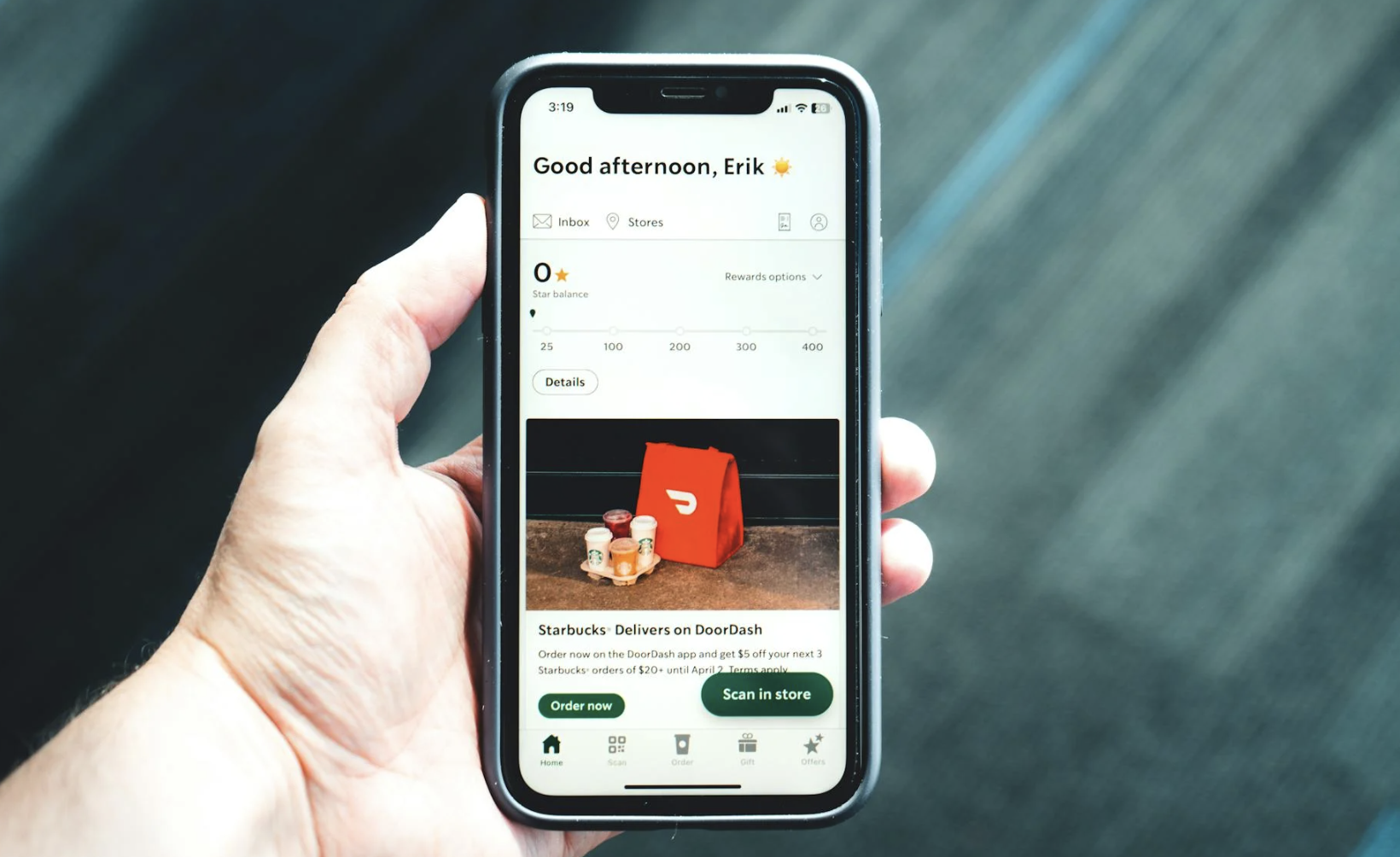
meal delivery app for smartphones and restaurants
2. The 4 problems this causes on a daily basis
Commands that get lost in the noise
Three tablets, three notification sounds, three different interfaces. When things get hectic, a moment’s inattention is all it takes to miss an order or mix up two tickets. Picking errors and oversights inevitably increase as the number of screens to monitor grows.
Menus that are never really up to date
Running out of a dish? You have to manually disable it in each app, one by one. In reality, this rarely gets done in time. The result: orders accepted for dishes that aren’t available, forced cancellations, unhappy customers—and a cancellation rate that hurts your visibility on the platforms.
A laborious month-end accounting process
Each platform generates its own reports in its own format. To get a consolidated view of your delivery revenue, you have to import all the data and cross-reference it manually. That’s several hours wasted every month on a task that shouldn’t even exist.
Customer reviews that are impossible to keep up with
Customer feedback comes in from all over—Uber Eats, Deliveroo, Just Eat, Google. Without a centralized system, some feedback goes unnoticed, responses are delayed, and your online reputation suffers without you even realizing it.
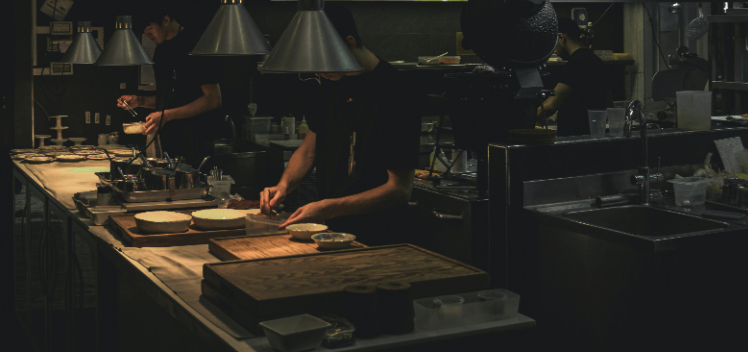
kitchen, restaurant, rush hour, peak hours, chefs
3. Centralization: the only approach that works at scale
Some restaurant owners assign one person to each platform. This works for a while, but it doesn’t solve the underlying problems: menus remain out of sync, data remains scattered, and the workload increases as volume grows.
Centralization is the opposite: connecting all your platforms to a single tool that brings everything together in one place. In practical terms, this means:
All your orders displayed on a single screen, in real time
A menu change that is automatically reflected everywhere
Your consolidated financial data, made easy
Your customer reviews compiled so you can respond quickly
That's what restaurants do when they handle large volumes without increasing their staff.
4. Implementing Centralized Management: A Step-by-Step Guide
Step 1 — Take stock of your current situation
Before making any changes, assess your current situation. For each active platform, note the following:
Your average rating
Your cancellation rate
Your average cart value
The commissions you pay
If you can't answer these questions without checking multiple apps, you already have your diagnosis.
Step 2 — Identify where you're wasting the most time and money
For one week, keep track of every issue related to multi-platform management: failed orders, out-of-stock items that weren’t deactivated, unanswered notifications, and data entry errors. You’ll quickly see where to focus your efforts.
Step 3 — Choose a food delivery platform that’s right for your restaurant
An order aggregator connects your platforms to a single interface. Before making a choice, check the following:
Compatibility with your platforms and point-of-sale system
Real-time menu synchronization
The quality of support —problems always arise during service
Available data: fees, performance, customer reviews
Restaurant Delivery Order Management Dashboard
Step 4 — Introduce it before a quiet service
Avoid rolling out a new tool on a Friday evening. Choose a quieter time, train your team in 30 minutes, and give them time to get the hang of it before things get busy.
Step 5 — Track these 5 metrics every week
MetricWhat it tells youCancellation rateBelow 3% — if higher, investigate whyAverage preparation timeAre your peak periods being handled effectively?Average rating per platformBelow 4.2? Take actionAverage cart valueCompare across platformsCommissions chargedKnow exactly what you’re paying out
5. The most common mistakes when getting started
Neglecting to synchronize menus at launch. This is consistently the number one source of problems. Before you even think about optimizing your order flows, make sure your menus are identical and up to date across all platforms.
Waiting until you have time to learn how to use it. It takes less than an hour to get started with a good aggregator. You’ll make up that time right from the first service.
Failing to review the data regularly. Centralization gives you access to information you didn’t have before. Not using it means missing out on the simplest and most cost-effective improvements.
Choosing a tool that isn't compatible with your point-of-sale system. A faulty POS integration can create more problems than it solves. Check for compatibility before committing.
Conclusion
Managing multiple delivery platforms shouldn't take up all your evenings or wear your team out. With the right tools and the right approach, it's a growth driver—not a burden.
The key: centralize everything, synchronize everything, measure everything. That’s exactly what RusHour does—it’s used by more than 5,000 restaurants across Europe to regain control of their delivery operations.
Want to see exactly how it works in your restaurant?
Friday night, 8 p.m. The restaurant is packed. And behind the counter, three tablets are ringing at the same time: Uber Eats, Deliveroo, Just Eat. Your team is juggling between screens, orders are piling up, and the first mistake is just around the corner.
A drop in your rating from 4.5 to 4.0 stars on Uber Eats can cause you to lose 30% of your orders in just a few weeks. In the cutthroat world of food delivery, every tenth of a point on these platforms directly translates into revenue for your business. Here’s how to turn your ratings into a cash cow.
Summer is shaking up consumer habits: increased orders at vacation destinations, demand for fresh meals, and record-breaking peaks in activity. Discover how summer delivery is redefining the customer experience and how RusHour helps restaurant owners capitalize on these opportunities.
Boost your efficiency with streamlined restaurant order management. Discover 5 practical tips to centralize your workflows, automate kitchen operations, and boost your performance today.
Faster delivery, happier customers, optimized logistics: AI is transforming every link in the food delivery chain. Discover the tools, trends, and real-world examples that are redefining connected dining in 2025.
You asked for it. We built it. The RusHour mobile app is now available on iOS and Android. It’s not just a new feature—it’s a complete transformation of restaurant management.