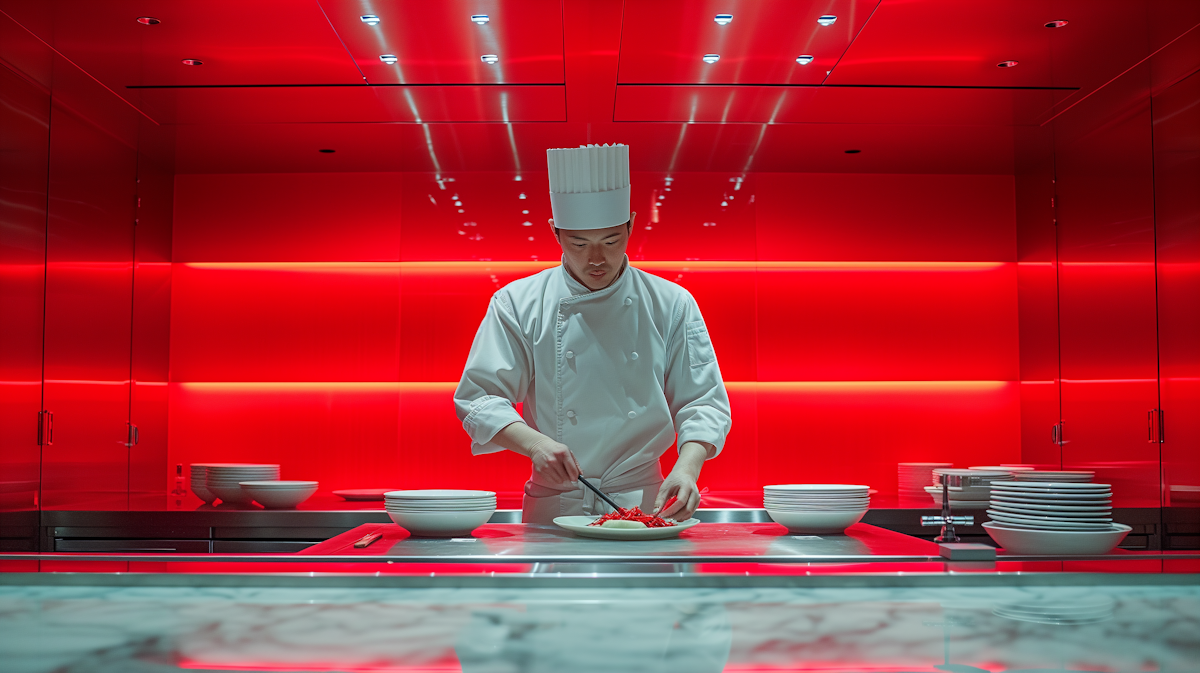
Dive into the delicious world of Filipino cuisine! Discover authentic dishes, exotic ingredients, and ideas to enhance your menu with unique flavors.
Restaurant management
This is some text inside of a div block.
In the fascinating world of international cuisine, Filipino cuisine remains a hidden gem that is well worth our attention. This archipelago of more than 7,000 islands offers a culinary landscape as diverse as its geography, skillfully blending ancestral influences with a variety of cultural contributions. For restaurant owners using RusHour to centralize their orders, offering Filipino dishes could be an excellent opportunity for diversification. Let’s embark together on a culinary journey to discover these exotic flavors that could enrich your menu and appeal to your customers seeking new experiences.
Origins and Cultural Influences
The richness of Filipino cuisine stems from its complex history and the many influences that have shaped it over the centuries. Its Austronesian roots form the foundation of a culinary tradition that has harmoniously incorporated various elements:
Spaniards (following 333 years of colonization)
Chinese (through centuries-old trade)
Americans (after the trusteeship period)
Malaysians (due to their geographical proximity)
This unique cultural fusion is reflected in every dish, where cooking techniques, spices, and ingredients tell a story of encounters and adaptations. The abundant use of vinegar, for example, is a reminder of a time before refrigeration, when preserving food required ingenious methods.
Iconic dishes to discover
Adobo: The Culinary Soul of the Philippines
Considered the national dish, Adobo perfectly embodies the spirit of Filipino cuisine. This dish involves simmering meat (usually chicken or pork) in a flavorful mixture of vinegar, soy sauce, garlic, bay leaves, and black pepper. The result? An explosion of flavors where acidity, umami, and spicy notes blend perfectly. Every family has its own recipe, passed down from generation to generation.
Adobo
The Lechón: the star of celebrations
No major Filipino celebration would be complete without the majestic presence of lechón—a whole pig slowly roasted until its skin is crispy and its meat is juicy and herb-scented. This iconic dish reflects Spanish influence while highlighting the importance of community celebrations in local culture.
The Lechón
Sinigang: Comfort in a Bowl
This sweet-and-sour broth, made with tamarind or other tart fruits, is a true comfort food for Filipinos. Topped with seasonal vegetables and a variety of proteins (fish, shrimp, or meat), Sinigang strikes the perfect balance between refreshing tartness and comforting warmth.
Sinigang
Halo-Halo: A Sweet Treat
When it comes to desserts, Halo-Halo("mix-mix" in Tagalog) reigns supreme with its colorful combination of shaved ice, sweetened condensed milk, candied fruit, jellies, purple sweet potato, and flan. It’s a true feast for the eyes and the palate that encapsulates the Philippine culinary philosophy: diversity, contrast, and generosity.
Halo-Halo
Key ingredients of this vibrant culinary scene
Filipino cuisine relies on a few key ingredients that form the basis of many dishes:
Rice: the quintessential staple food, eaten at almost every meal
Coconut milk: adds creaminess and richness to many dishes
Vinegar: From preservative to signature flavor
Fish sauce (patis): an essential source of umami
Tropical fruits: mango, jackfruit, calamansi (a local citrus fruit)
The Philippine mango deserves a special mention—recognized as one of the best varieties in the world, its incomparable sweetness and captivating aroma make it a prized export and a star ingredient in many local desserts.
Unique Flavors: The Art of Contrast
What truly sets Filipino cuisine apart is its bold approach to flavor combinations. The balance between sweet and savory reaches unparalleled heights, as evidenced by Champorado—a chocolate rice porridge traditionally served with salted dried fish. This surprising combination for Western palates perfectly illustrates the local culinary philosophy, where contrasts are celebrated rather than smoothed over.
The subtle use of acidity is another distinctive hallmark. Whether it comes from vinegar, tamarind, or calamansi, this tangy note adds freshness and complexity to dishes while aiding digestion—a significant consideration in the tropical climate of the Philippines.
Comparison with other Asian cuisines
Although it shares some ingredients with its Asian neighbors, Filipino cuisine is distinctly different:
Less spicy than Thai cuisine
More tangy than Vietnamese cuisine
More influenced by the West than Malaysian or Indonesian cuisine
This uniqueness makes it a truly one-of-a-kind culinary offering on the global gastronomic scene, providing consumers with a refreshing alternative to the more familiar Asian cuisines.
Cultural Impact and Current Trends
With more than 12 million Filipinos living abroad, Filipino cuisine is growing in popularity around the world. According to recent data, Philippine food exports have increased by 15% over the past five years, reflecting a growing interest in these flavors.
The "food fusion" trend also allows this cuisine to take on new forms, as evidenced by sisig tacos and adobo burgers, which appeal to a younger crowd seeking innovative culinary experiences.
Incorporate Filipino cuisine into your restaurant menu
For restaurant owners looking to diversify their menus, Filipino cuisine offers excellent opportunities:
Dishes that can be easily adapted to delivery requirements
Exotic flavors that are accessible to Western palates
Endless customization options
Excellent shelf life of the products (ideal for inventory management)
Thanks to the RusHour platform, centralizing orders for these new culinary offerings is a breeze, allowing you to gradually gauge your customers’ interest in these exotic flavors.
Philippine cuisine offers a true sensory journey, where every bite tells a story of cultural fusion, ingenuity, and warmth. Its unique flavors, traditional techniques, and ability to constantly reinvent its heritage make it an endless source of inspiration for culinary professionals.
By adding a few Filipino dishes to your menu, you’re not only offering your customers a unique culinary experience, but you’re also helping to raise awareness of this cuisine, which remains largely unknown. And with RusHour to efficiently manage your orders, you can focus on what matters most: creating unforgettable moments of culinary delight with these exotic flavors.
So, are you ready to take your customers on a culinary journey through the flavors of Southeast Asia?
Friday night, 8 p.m. The restaurant is packed. And behind the counter, three tablets are ringing at the same time: Uber Eats, Deliveroo, Just Eat. Your team is juggling between screens, orders are piling up, and the first mistake is just around the corner.
A drop in your rating from 4.5 to 4.0 stars on Uber Eats can cause you to lose 30% of your orders in just a few weeks. In the cutthroat world of food delivery, every tenth of a point on these platforms directly translates into revenue for your business. Here’s how to turn your ratings into a cash cow.
Summer is shaking up consumer habits: increased orders at vacation destinations, demand for fresh meals, and record-breaking peaks in activity. Discover how summer delivery is redefining the customer experience and how RusHour helps restaurant owners capitalize on these opportunities.
Boost your efficiency with streamlined restaurant order management. Discover 5 practical tips to centralize your workflows, automate kitchen operations, and boost your performance today.
Faster delivery, happier customers, optimized logistics: AI is transforming every link in the food delivery chain. Discover the tools, trends, and real-world examples that are redefining connected dining in 2025.
You asked for it. We built it. The RusHour mobile app is now available on iOS and Android. It’s not just a new feature—it’s a complete transformation of restaurant management.


.png)